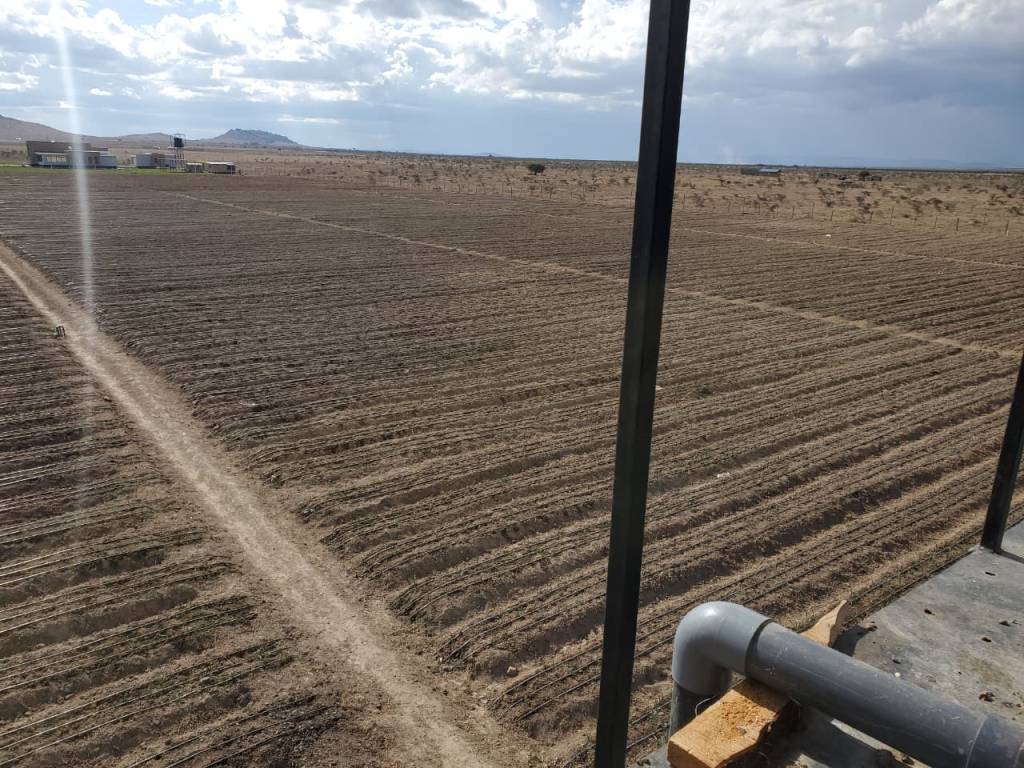


Irrigation is a game changer for anyone looking to grow crops, maintain a lush garden, or manage a farm efficiently. By providing controlled water delivery to plants, it ensures healthy growth, conserves water and boosts productivity even in challenging climates.
Why irrigation is important?
- Increases crop yield; consistent water supply leads to healthier plants and better harvests.
- Saves water; modern systems like drip irrigation use water efficiently, reducing waste.
- Climate adaptation. Irrigation helps you manage dry seasons and unpredictable rainfall
- Saves time. Automated systems reduce the need for manual watering
Step 1; assess your needs.
Land size and layout; are you watering a small garden, a large farm or a greenhouse? Measure your area and determine the water needs.
Crop or plant type. Different crops require different water amounts
Water source; identify your water supply, is it a well, a river, municipal or rainwater. Check quality and availability.
Budget; systems range from low-cost hoses to advanced automated systems.
Soil type; sandy soils drain quickly and need frequent watering; clay soils retain water longer.
Step 2; Choose the right irrigation system.
There are several irrigation methods each suited for different needs.
Manual irrigation. Watering by hand using cans hoses or buckets. Best for small gardens.
Surface irrigation. Water flows the soil surface vi furrows, basins or flooding. Best for large fields, rice paddies or flat terrain, it is low cost set up but wastes a lot of water and lead to uneven distribution of water.
Sprinkler irrigation. Sprinklers spray water over water mimicking rainfall. Best for lawns, gardens or medium sized farms. This method is easy to install and covers large areas.
Drip irrigation. Water drips directly to plant roots through tubes or emitters. Best where water is scarce. Highly efficient and minimizes water waste and promotes deep water growth.
Step 3; Plan your system
Once you have chosen a method, design your irrigation set up
- Map your land noting plants, slopes and water sources.
- Calculated water needs. Research how much water your plant need. Check your water source flow rate
- Select equipment, buy pipes, emitters, sprinkles or hoses based on your systems. Include filters and pressure regulators.
- Consider automation. Timers or smart controllers can automate watering schedules saving time and water,
Step 4. Set up your system
- Gather materials. Purchase the irrigation kit
- Lay out main line; connect a hose or pipe to your water source and run it along your planting area.
- Add emitters; place drip emitters or sprinklers near plant roots.
- Test the system. Turn on the water to check for leaks or uneven flow. Adjust if needed
Step 5; Maintain your system.
- Check for clogs; clean filters and emitters regularly especially in drip systems.
- Inspect for leaks. Fix damaged pipes or fittings promptly.
- Adjust for seasons; reduce watering for rainy seasons.
Want to get started?
Contact us for professional services from planning to installation. Our team will help you choose the most suitable irrigation for your farm, offer installation and maintenance services for you and offer agronomic services. Let us help transform your farm into a business.