

Introduction
Water security is one of the most critical pillars of successful farming. Whether you are practicing crop irrigation, fish farming, or specialized aquatic farming, having a reliable and efficient water storage system is essential. High-density polyethylene (HDPE) dam liners—also commonly known as pond liners, have become the preferred choice for farmers due to their durability, versatility and cost-effectiveness.
What Are HDPE Dam Liners?
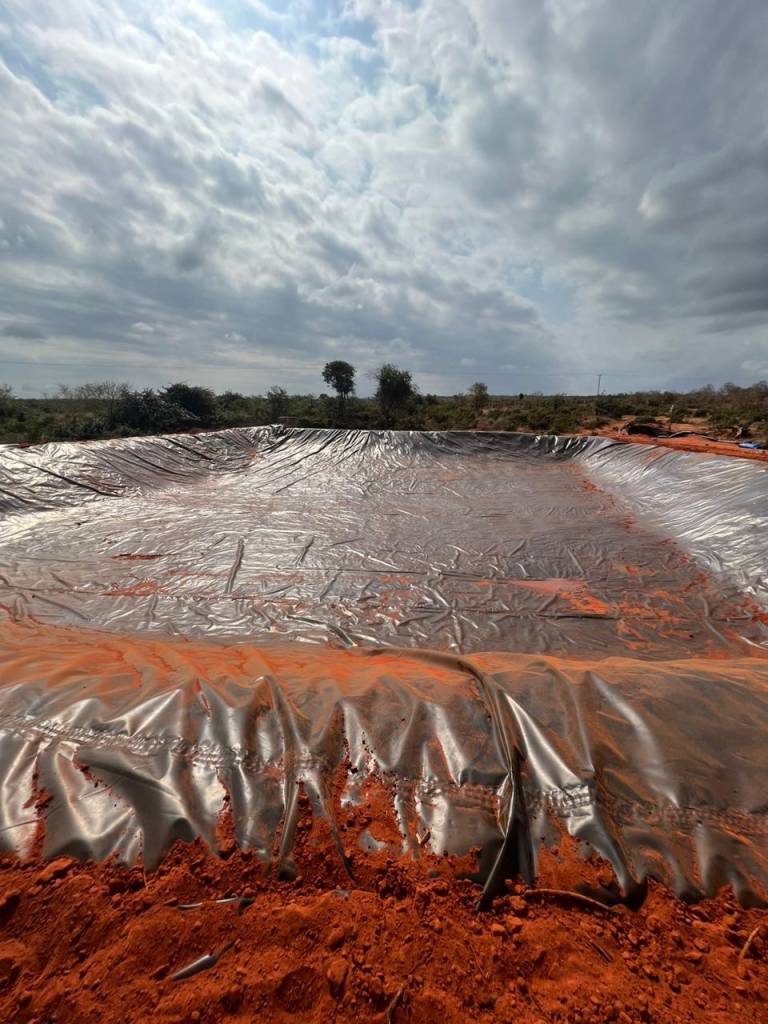
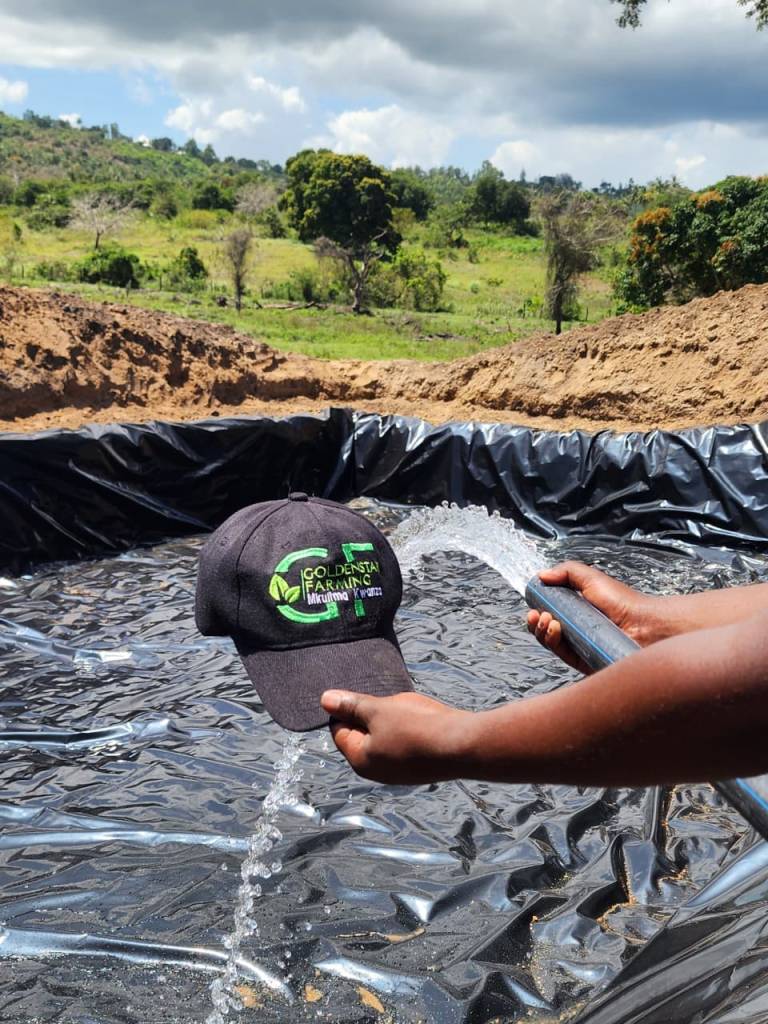
HDPE dam liners are impermeable geomembranes designed to store water safely while minimizing losses from seepage. They are available in various thicknesses (gauges), including 0.3mm, 0.5mm, 0.75mm, and 1mm, allowing farmers to choose a liner that fits their specific needs and environmental conditions.
Why Farmers Prefer HDPE Dam Liners
1. Durability and Strength
HDPE liners are exceptionally tough and UV-resistant. Their durability makes them suitable not only for water storage but also for more demanding applications. For example, some farmers have successfully used 1mm liners to construct enclosures for small alligators due to their superior strength.
2. Versatility Across Multiple Farming Applications
Dam liners are not limited to conventional water storage. They are widely used for:
– Fish farming (aquaculture)
– Azolla cultivation
– Seaweed and aquatic plant farming
– Research tanks and controlled environment ponds
– Runoff harvesting systems
Their flexibility and impermeability make them ideal for any setup requiring water retention.
3. Cost-Effective Water Management
Compared to constructing concrete or masonry tanks, dam liners offer an affordable and quicker-to-install alternative without compromising performance.
Determining the Right Liner Gauge for Your Project
When selecting the right liner thickness, consider:
– The type of project (fish pond, reservoir, research tank, etc.)
– Soil conditions
– Expected water pressure or depth
– Potential physical impact and external forces
Common recommendations:
– 0.3mm – Short-term projects, small ponds (Azolla farming)
– 0.5mm – Light-duty domestic or small-scale to medium farming ponds
– 0.75mm– Medium to large ponds, irrigation reservoirs
– 1mm – Heavy-duty applications, commercial aquaculture, wildlife enclosures and rocky surfaces.
Calculating Water Needs for Your Farm
Understanding your farm’s seasonal water requirements is vital. At Goldenstar Farming, we help farmers determine:
– Water needs per crop cycle
– Irrigation frequency
– Local rainfall patterns
– Total storage capacity required
With this information, we can recommend the optimal dam size and liner gauge to ensure year-round water availability.
Designing an Efficient Runoff Harvesting System
For farmers relying on runoff as their primary water source, proper design is crucial. Your system should include:
1. Well-positioned inlet channels to direct water into the reservoir
2. A primary filtration system to trap debris, silt, and leaves before the water enters the dam
3. Overflow and spillway mechanisms to prevent damage during heavy rains
These components ensure clean water storage, improved longevity of the liner and efficient water harvesting.
Conclusion
HDPE dam liners offer a dependable, affordable and versatile solution for modern farmers seeking effective water management systems. Whether you need a reservoir for irrigation, fish farming, or specialized aquatic projects, dam liners provide long-lasting performance and unmatched value.
At GoldenStar Farming, we not only supply premium-quality HDPE liners but also offer expert guidance on designing and sizing your water storage system. With the right liner and proper installation, your farm can thrive with a sustainable and reliable water supply.