

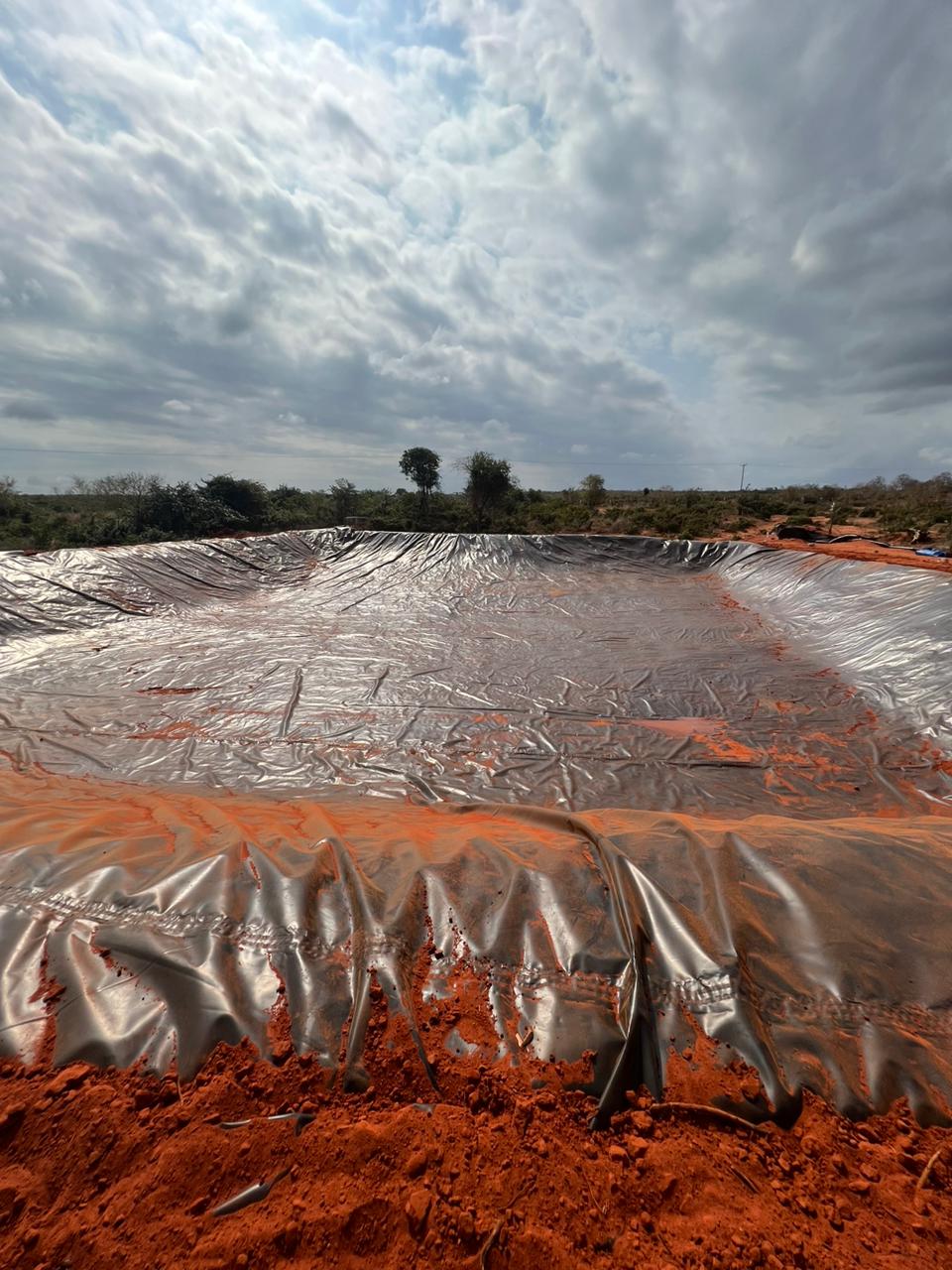
Water availability is one of the biggest challenges facing farmers in Kenya today. Rainfall patterns are increasingly unpredictable, and relying entirely on seasonal rainfall can limit farm productivity.
Water harvesting and storage systems allow farmers to collect and store water during rainy periods and use it later for irrigation. At GoldenStar Farming, we help farmers design reliable water storage systems using dam liners, water reservoirs and irrigation storage solutions that support modern irrigation farming.
Why Water Harvesting is Important for Irrigation
Water harvesting enables farmers to store water for use during dry periods. This ensures crops continue receiving irrigation even when rainfall is limited.
Benefits of water harvesting include:
• reliable irrigation water supply
• improved crop production throughout the year
• reduced dependence on rainfall
• better water management on the farm
• increased farm productivity and profitability
Many irrigation projects rely on water reservoirs lined with dam liners to store water for drip irrigation, sprinkler irrigation and rain hose irrigation systems.
Dam Liners for Farm Water Storage
Dam liners are durable waterproof sheets used to line water reservoirs, preventing water from seeping into the soil. They are widely used for farm water storage because they allow farmers to create reliable reservoirs without the need for expensive concrete structures.
Dam liners are commonly used for:
• irrigation water reservoirs
• rainwater harvesting systems
• fish ponds
• farm water storage dams
When installed properly, dam liners create a secure water storage system that can last many years.
Advantages of Using Dam Liners
Dam liners provide several advantages compared to traditional water storage methods.
Prevent Water Seepage
Dam liners prevent water from leaking into the soil, ensuring the stored water remains available for irrigation.
Cost-Effective Water Storage
Constructing concrete reservoirs can be expensive. Dam liners provide a more affordable way for farmers to build water storage reservoirs.
Flexible Installation
Dam liners can be installed in reservoirs of different shapes and sizes depending on the farm layout and water storage needs.
Long Lifespan
Quality dam liners can last between 10 and 25 years depending on the thickness (gauge) and installation quality.
Dam Liner Gauges Available
Dam liners are available in different thickness levels, commonly referred to as gauges. The thickness determines the strength, durability and lifespan of the liner.
At GoldenStar Farming, we supply dam liners in the following gauges:
• 0.3 mm
• 0.5 mm
• 0.75 mm
• 1 mm
• 1.5 mm
The right gauge depends on the size of the reservoir, soil conditions and intended use.
0.3 mm Dam Liners
These liners are suitable for:
• small water storage ponds
• temporary water storage
• smallholder irrigation projects
They are affordable but have a shorter lifespan compared to thicker liners.
0.5 mm Dam Liners
0.5 mm liners are commonly used for:
• medium-size irrigation reservoirs
• vegetable farms using drip irrigation
• moderate water storage projects
They provide a good balance between durability and cost.
0.75 mm Dam Liners
These liners are stronger and suitable for:
• larger irrigation reservoirs
• farms storing water for several irrigation cycles
• areas with moderate soil pressure
They offer improved durability compared to thinner gauges.
1 mm Dam Liners
1 mm liners are recommended for:
• large irrigation reservoirs
• commercial farms
• permanent water storage installations
They provide high durability and a longer service life.
1.5 mm Dam Liners
1.5 mm liners are the most durable option and are suitable for:
• large water reservoirs
• Extreme weather conditions
• heavy-duty water storage projects
These liners offer the highest resistance to punctures and environmental damage.
Dam Liner Cost Range in Kenya
Dam liner prices vary depending on the thickness and quality of the material.
Typical price range:
KES 150 – KES 450 per square meter
The total cost of a dam liner installation depends on factors such as:
• reservoir size
• liner thickness
• ground preparation/soil surface condition
• installation requirements
Factors to Consider When Choosing a Dam Liner
Selecting the correct dam liner depends on several factors.
Reservoir Size
Large reservoirs require stronger and thicker liners to withstand water pressure.
Soil Conditions
Rocky soils may require thicker liners to prevent punctures.
Intended Use
Fish ponds and large irrigation dams usually require thicker liners for durability.
Budget
150 per sqm to 450 per sqm. Thicker liners cost more but provide longer service life and better reliability.
Water Tanks for Farm Water Storage
In addition to dam liners, farmers can also use water tanks to store irrigation water.
Water tanks are useful for:
• storing pumped water
• storing harvested rainwater
• supplying irrigation systems with consistent pressure
For detailed information about water tank solutions, you can read our complete guide on farm water storage tanks.
Frequently Asked Questions
How long do dam liners last?
Dam liners can last between 10 and 25 years depending on the thickness, installation quality and environmental conditions.
Which dam liner thickness is best for irrigation reservoirs?
For most irrigation reservoirs, farmers commonly use 0.5 mm to 1 mm liners, depending on reservoir size and soil conditions.
Can dam liners be used for fish ponds?
Yes. Dam liners are widely used in fish farming to prevent water seepage and maintain stable water levels.
How do I choose the right dam liner gauge?
The correct gauge depends on the size of the reservoir, soil conditions, and how long the reservoir is expected to last.
Do dam liners require special installation?
Yes. Proper installation involves preparing the ground, removing sharp objects and ensuring the liner is secured correctly to prevent damage.
Professional Water Storage Solutions
At GoldenStar Farming, we support farmers with reliable water harvesting and storage solutions including:
• dam liner supply and installation
• irrigation water reservoirs
• farm water storage systems
• irrigation system design
Our goal is to help farmers secure reliable water supply for irrigation and improve farm productivity throughout the year.